
Regular servicing helps keep a Land Rover safe, reliable and working as it should. A routine service includes a range of checks covering the engine, brakes, tyres, suspension, steering and fluids. This article explains what is included in a Land Rover service and why each check matters.
Checking the Engine Oil and Oil Filter
During a routine Land Rover service, the engine oil level and condition are checked to make sure the engine is properly lubricated. The technician may inspect the oil using a dipstick or the vehicle’s electronic oil level system, depending on the model. They also look for signs of leaks around the engine, sump, seals and oil filter housing.
Read related articles:
Choosing a Land Rover Service Kit: What a Complete Kit Should Include
Choosing Fluids for a Land Rover: Specifications Before Brands
How to Choose Land Rover Service Parts: A Registration-First Checklist
The old engine oil is then drained and replaced with new oil that meets the correct specification for the vehicle. The oil filter is also removed and replaced since it usually collects dirt, metal particles and other contaminants from the oil. After fitting the new filter and adding fresh oil, the engine is started and checked for any leaks.
Inspecting Fluid Levels
During a routine service, a technician will check the levels and condition of your vehicle's important fluids, including the engine coolant, brake fluid, power steering fluid, screen wash and transmission fluid. The exact checks that are done depend on the model of your Land Rover and its service schedule.
The fluid levels are mainly inspected using reservoir markings, dipsticks or electronic systems. The technician will also look for leaks, discolouration or contamination that may indicate a deeper issue. Any low fluids are topped up with the correct type, while old or damaged fluids are commonly replaced.
These checks are important because the fluids help control your vehicle's heat, friction, braking, steering and transmission operation. Low coolant fluid can cause the engine to overheat, while low brake fluid can affect your braking performance. Regular checks help prevent avoidable damage and keep the Land Rover safe, reliable and working correctly.
Testing the Brakes
During a routine Land Rover service, a technician will inspect the brake pads, discs, callipers, hoses and pipes. The brake fluid's level and condition are also checked, while the parking brake is tested to confirm that it holds the vehicle securely.
A brake roller tester may be used during this service to measure the braking force at each wheel and identify any uneven performance. A brake fluid tester can check the fluid’s moisture level, since any excess water in the fluid may reduce your braking performance. Measuring tools may also be used to check the brake pad and disc thickness against the correct limits.
These checks are important because worn or damaged brakes can increase your stopping distances and reduce your control over the vehicle.
Checking the Tyres
During a routine Land Rover service, the tyres' tread depth, pressure and damage are checked. A technician will inspect the tread and sidewalls for cuts, cracks, bulges, punctures or objects trapped in the rubber and the tyre's age and overall condition may also be reviewed.
A tread depth gauge is used to measure how much tread remains, while a calibrated pressure gauge checks that each tyre is inflated correctly. The technician may also inspect the tyre pressure monitoring system and use wheel alignment equipment if there's uneven wear or signs of an alignment problem.
These checks are important because worn, damaged or incorrectly inflated tyres can reduce your vehicle's grip, increase your stopping distances and affect your steering control. Poor tyre condition can also raise your fuel usage and increase the risk of a blowout.
Inspecting the Suspension and Steering
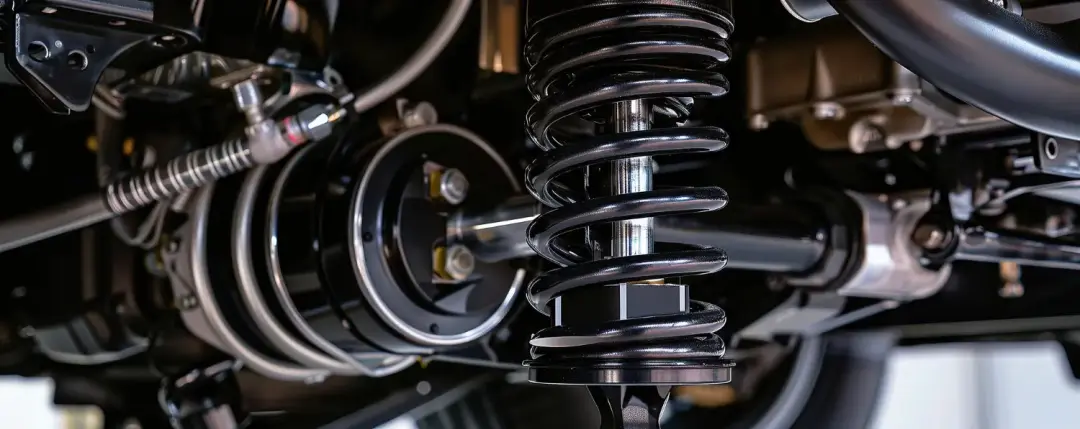
When it comes to inspecting the suspension and steering systems, a technician will look at the shock absorbers, springs, bushes, ball joints, track rod ends, steering rack and power steering components for signs of damage. They will also look for leaks, corrosion, loose fittings and damaged rubber covers.
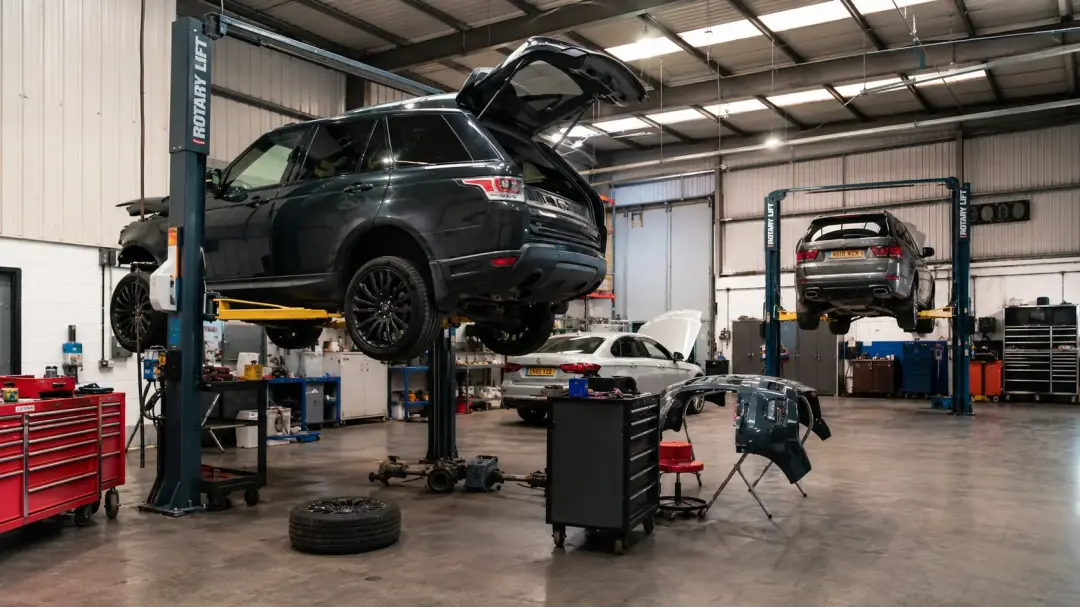
During this service, the vehicle is typically raised on a lift so that the wheels and suspension parts can be examined safely. A pry bar can be used to help reveal movement in worn-out joints or bushes, while wheel alignment equipment can be used if uneven tyre wear or poor handling is found.
Diagnostic equipment can also be used to check the electronic steering or suspension systems on certain models. These checks are important because worn-out suspension or steering parts can reduce your stability, affect your contact with the road and make the vehicle harder to control.
Testing the Battery
During a routine service, the battery's condition, charge level and ability to start are checked. A technician will inspect the battery's case, terminals and cables for signs of corrosion, damage or loose connections. They may also check whether the battery is securely fitted.
A digital multimeter can often be used to measure the battery's voltage, while a battery tester or load tester can check how well the battery performs under demand. Diagnostic equipment can also be used to check the charging system and identify any faults linked to the alternator, starter motor or electronic controls.
A routine battery check is important because a weak battery can cause issues like slow starting, warning lights and electrical faults. A damaged battery can also fail without warning, especially during cold weather. Regular testing helps identify issues like reduced battery performance early on, which can help ensure the Land Rover’s electrical systems work correctly.
Checking the Exhaust System
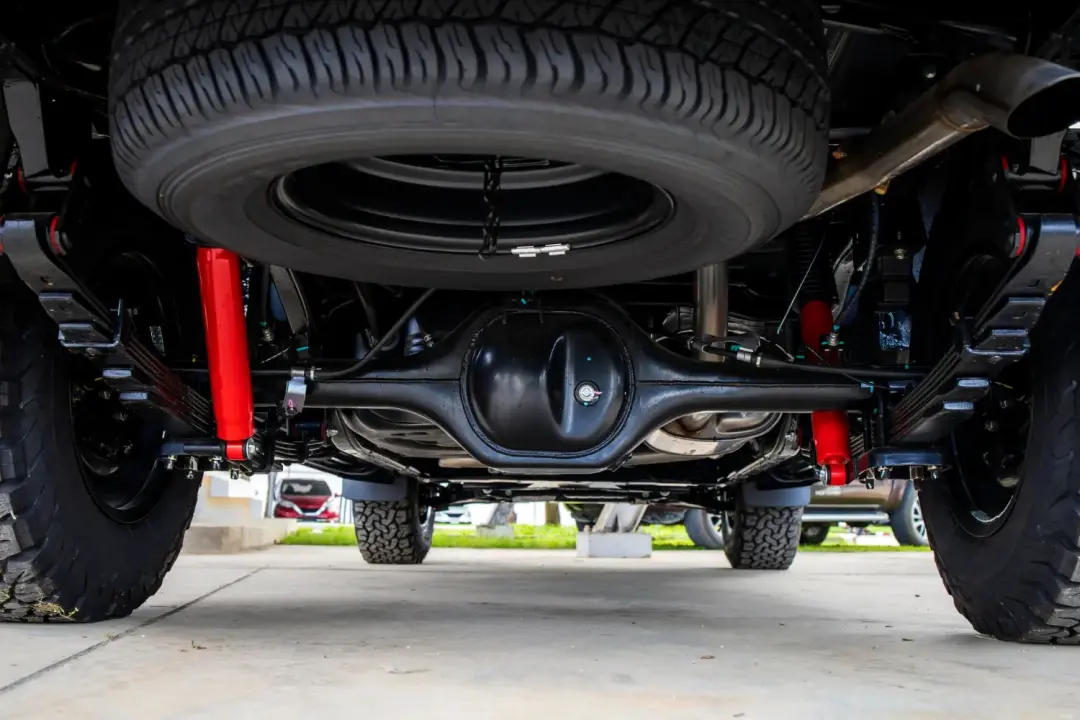
The exhaust system is typically checked for damage, leaks, corrosion and secure mounting. A technician will check the exhaust pipes, joints, silencers, catalytic converter, diesel particulate filter (DPF), heat shields and mounting brackets for soot marks, cracks, loose parts and unusual movement - since they can show that exhaust gases are escaping.
The vehicle is usually raised on a lift so the whole system can be examined safely. A smoke machine may be used to help locate small leaks, while diagnostic equipment can be used to check the fault codes linked to the oxygen sensors, emissions controls or the diesel particulate filter. An emissions analyser may also be used to measure the exhaust gases and confirm whether or not the system is working within its expected limits.
Checking the Cooling System
During a routine system check, a technician will inspect the radiator, coolant reservoir, hoses, clips, water pump and visible seals. The coolant's fluid level, colour and condition are also checked since dirty or weak coolant may not protect the engine properly.
A cooling system pressure tester is commonly used during this service to find small leaks that are difficult to see. A coolant tester can measure the strength of the antifreeze and show whether it provides enough protection against freezing and corrosion. Diagnostic equipment may also be used to check the temperature sensors, warning lights and cooling fan operation.
This check is important because cooling system faults can cause the engine to overheat and cause serious damage. Finding issues like leaks, weak coolant fluid or damaged parts early on can help prevent breakdowns, protect the engine and keep your Land Rover reliable.
Inspecting the Air Filter
When the air filter is checked, a technician will remove the filter from its housing and inspect the filter material, seals, casing and air intake pipes for cracks, loose fittings or debris. A bright inspection light can be used to help reveal heavy dirt or damaged areas. Diagnostic equipment can also be used during this inspection if poor airflow has caused warning lights or sensor faults to appear.
In most cases, the filter is replaced if it is blocked, damaged or due for a renewal. A dirty air filter can restrict the air entering the engine, which can reduce its performance, increase your fuel use and place extra strain on other parts of the vehicle.
Checking the Gearbox and Transmission
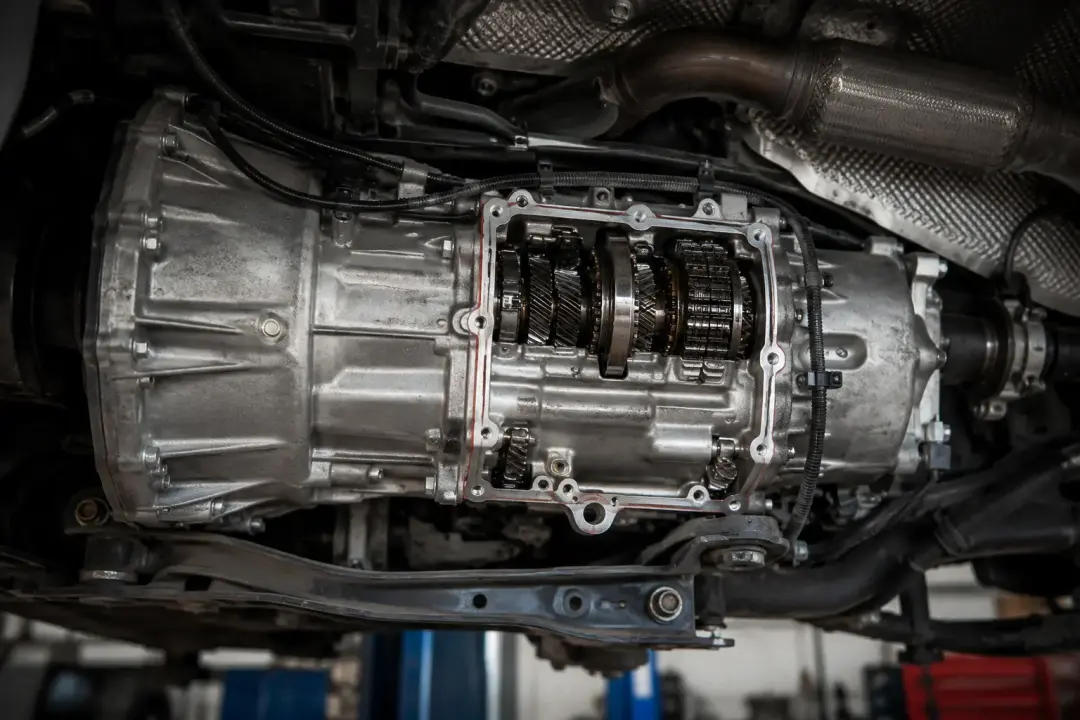
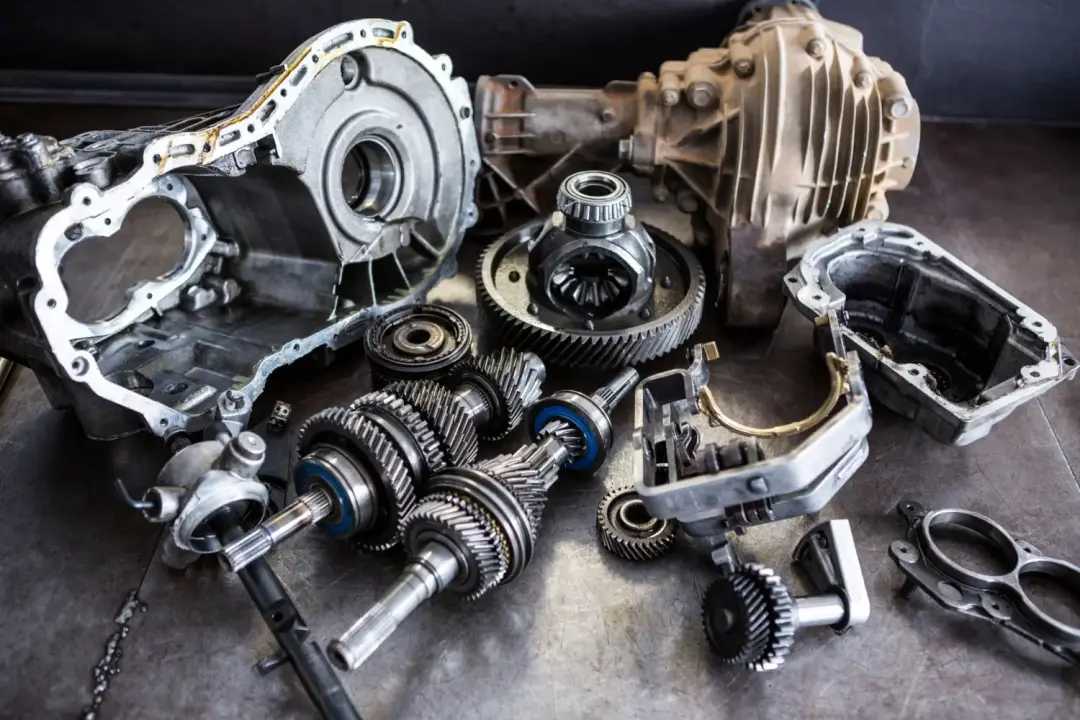
During a gearbox and transmission check, these components are inspected for signs of leaks, wear and poor operation. A technician will check the transmission casing, seals, pipes, mounts and visible connections, and the transmission fluid's level, colour and condition may also be checked, depending on your Land Rover's model and service requirements.
The vehicle may also be road tested so that the technician can check for issues like delayed gear changes, slipping, unusual noises, vibrations or rough movement. Putting the vehicle on a lift also allows the technician to inspect the underside of the vehicle and check that the transmission parts are working smoothly.
Gearbox faults can be expensive to fix if they are not found early enough. Low or damaged fluid can increase your engine's friction and heat output, while worn-out parts can affect your gear changes and vehicle control.
Our professional Land Rover servicing helps keep vehicles safe, reliable and performing efficiently. Our skilled technicians can complete detailed checks, maintenance and repairs using suitable parts and equipment.